

Receding gums can be fixed through professional treatments like deep cleaning (like scaling and root planing) and gum graft surgery, combined with improved oral care habits at home. These proven treatments stop gum recession from progressing and protect your exposed tooth roots.
According to Cleveland Clinic, most adults over 65 experience some level of gum recession. While this condition cannot be reversed naturally, progression can be stopped completely with the right approach.
Early treatment protects remaining gum tissue and prevents complications like tooth sensitivity, root decay, and eventual tooth loss. The key is understanding your options and taking action before recession advances.
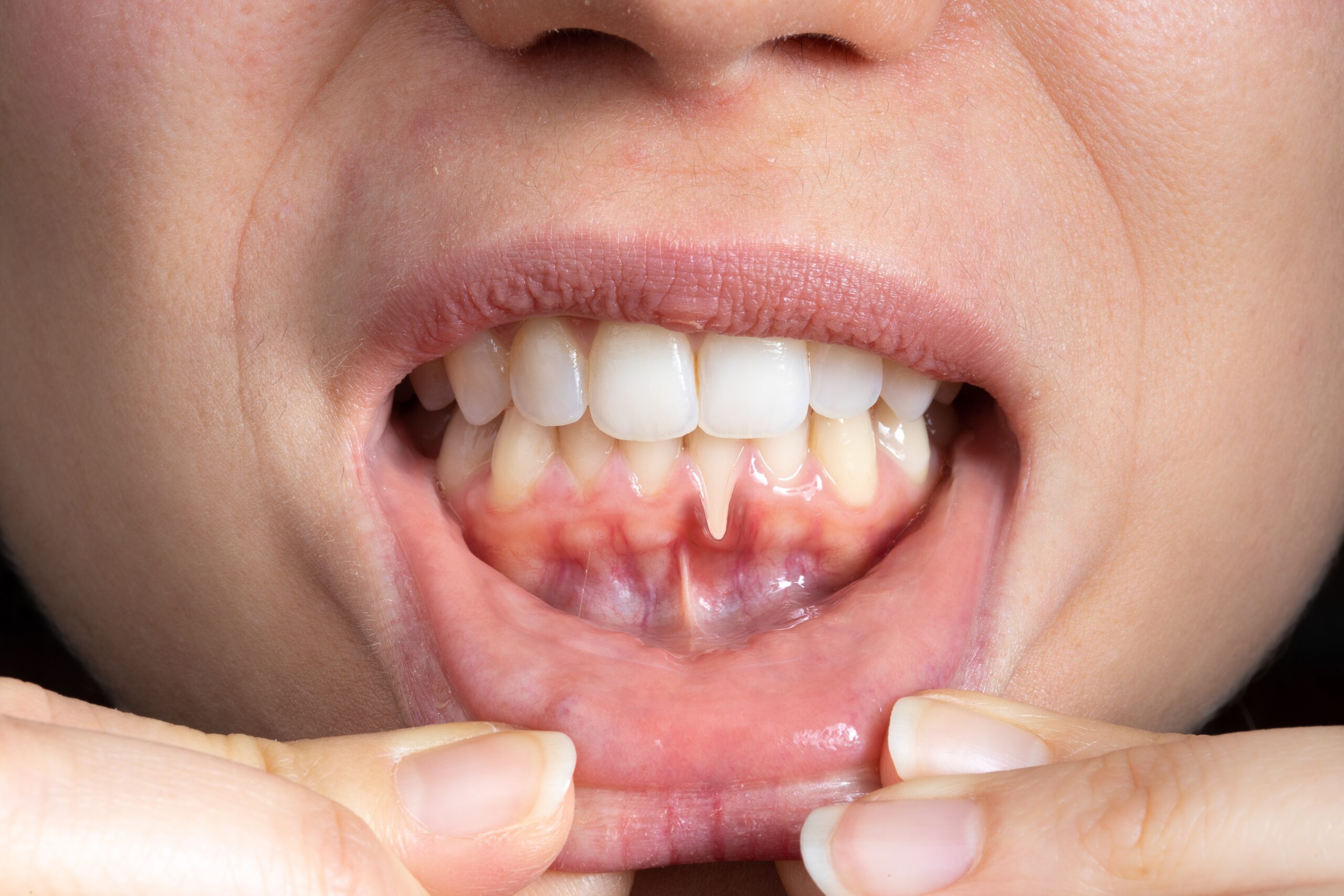
Your Guide to Receding Gums
- Lost gum tissue cannot regenerate naturally, but professional treatment halts progression in most cases depending on the method used
- Deep cleaning procedures like scaling and root planing effectively manage mild to moderate recession without surgery
- Gum grafting surgery provides permanent solutions for severe recession with significantly high success rates
- Gentle brushing techniques and proper oral hygiene prevent further damage more effectively than any treatment can reverse existing recession
- Regular professional monitoring every 6 months helps catch problems early before recession worsens
Can you actually stop your gums from receding? (The Answer May Surprise You)
The progression of gum recession can be completely halted with appropriate treatment. While you cannot reverse tissue loss that has already occurred, modern dental treatments prevent additional damage and protect exposed roots from sensitivity and decay.
Understanding what causes recession in the first place helps determine which treatment approach will work best for your situation.
What Causes Your Gums to Pull Back
Gum recession happens when tissue pulls away from teeth, exposing roots and creating pockets where bacteria accumulate. Multiple factors contribute to this progressive condition.
Common causes include:
- Gum disease – The #1 culprit, accounting as the primary cause of all recession cases according to NIDCR
- Brushing too hard – Yes, aggressive brushing actually damages delicate gum tissue over time
- Genetics – Some people inherit thin gum tissue that offers less natural protection
- Grinding your teeth – Nighttime bruxism creates excessive forces that contribute to tissue loss
- Smoking – Tobacco use reduces blood flow and impairs the healing capacity of gum tissue
- Hormonal changes – Pregnancy and menopause increase gum sensitivity and recession risk
Understanding your specific cause determines which treatment will work best for your situation. Often multiple factors combine to speed up tissue loss.
The Five Warning Signs You Shouldn’t Ignore
Catching recession early makes treatment simpler and more effective. Watch for these telltale signs:
- Tooth sensitivity – Hot and cold foods cause sharp, uncomfortable sensations along the gum line
- Longer-looking teeth – More tooth surface becomes visible as gums recede from their normal position
- Exposed roots – Yellow or darker areas appear near the gum line where roots lack protective enamel
- Notches at gum line – Small indentations form where gum tissue meets the tooth surface
- Loose teeth – Advanced recession causes movement when touched or during eating
If you notice even one symptom, schedule an evaluation with a dental professional. Early intervention means less invasive treatment options remain available.
Can gums grow back naturally?
No, lost gum tissue cannot regenerate on its own. Once recession occurs, that tissue is gone permanently without professional intervention.
The good news? You can stop progression completely with proper treatment.
Think of it like stopping a leak in your roof. Professional treatments halt further damage and protect what remains. Many patients see no additional recession for decades after successful treatment.
The key is acting before more tissue is lost.
The Treatment That Actually Works: From Simple Cleanings to Surgery
Treatment options for receding gums range from simple deep cleaning procedures to surgical interventions. Your dentist will recommend the approach best suited to your recession severity and underlying causes.
Both non-surgical and surgical methods show high success rates when performed correctly and combined with proper home care.
Non-Surgical Options: Deep Cleaning (Scaling and Root Planning)
Deep cleaning removes tartar buildup and bacterial toxins from below the gum line. Your dental professional uses specialized instruments to clean tooth roots and smooth rough surfaces where bacteria tend to accumulate.
This procedure addresses the infection and inflammation that drive recession progression. The scaling portion removes dental calculus deposits, while root planing smooths root surfaces to discourage bacterial recolonization.
Success rates show that scaling and root planing stops mild to moderate recession in most patients when combined with good home care. The treatment works best for early-stage recession before significant tissue loss occurs.
What to expect during treatment:
- Duration: Usually requires 1-2 appointments depending on recession extent
- Discomfort: Mild with local anesthesia to numb treated areas
- Cost: More affordable than surgical options for eligible patients
- Recovery: Resume normal activities immediately after numbness wears off
Additional supportive treatments help improve results. Fluoride applications protect exposed roots from tooth decay. Desensitizing agents reduce temperature sensitivity that commonly accompanies gum recession. Antimicrobial rinses help control bacteria during the healing process.
When You Need Surgery: Gum Grafting Explained
If recession exceeds 3mm in depth, causes severe sensitivity, or continues progressing despite deep cleaning, gum grafting may be recommended. Front teeth often need grafting for cosmetic reasons even with less severe recession.
Gum graft surgery involves taking tissue from the roof of your mouth or using donor tissue to cover exposed roots. The graft tissue integrates with existing gum tissue over several months.
Types of gum grafts available:
- Connective tissue graft – The gold standard approach and most common treatment according to UT Health San Antonio
- Soft tissue graft – Increases gum thickness and provides coverage for exposed root surfaces
- Pinhole surgery – A minimally invasive option using small holes to reposition existing tissue with faster recovery
Recovery involves mild to moderate discomfort for 3-5 days, manageable with prescribed medications. A soft diet for one week protects the surgical site during initial healing. Complete tissue integration takes 3-6 months, though you’ll notice improvement much sooner.
Modern gum grafting procedures achieve predictable long-term outcomes when patients maintain proper oral hygiene after surgery.
How to Choose Your Treatment Path
Several factors determine whether non-surgical or surgical treatment is most appropriate:
- Severity – Mild recession responds to deep cleaning; severe cases require gum grafting procedures
- Symptoms – Manageable sensitivity may not need surgery, while daily pain often does
- Progression – Still actively receding despite good oral hygiene? Act faster with more aggressive treatment
- Aesthetics – Visible front teeth may need surgical grafting even with mild recession
- Budget – Start with conservative approaches when appropriate, progress to surgery if needed
Your Home Care Routine: What You’re Probably Doing Wrong
Prevention and maintenance of treatment results depend heavily on proper home care techniques. Many people unknowingly contribute to gum recession through incorrect brushing methods and product choices.
Implementing the right daily habits protects gum tissue more effectively than any professional treatment can reverse existing damage.
The Brushing Mistakes That Damage Your Gums
Most people brush too hard, thinking aggressive scrubbing cleans better. It doesn’t work that way.
Excessive brushing pressure wears away delicate gum tissue like water eroding soil over time.
Common mistakes that damage gums:
- Using hard-bristled toothbrushes that scratch and irritate tissue
- Scrubbing back and forth horizontally across teeth and gums
- Brushing for longer than the recommended 2 minutes per session
- Replacing your toothbrush only when bristles completely splay outward
- Brushing immediately after consuming acidic foods or drinks
The right approach uses a soft-bristled brush with gentle circular motions. Hold the brush at a 45-degree angle to your gum line, where it meets your teeth.
Let the bristles do the work with minimal pressure applied. Electric toothbrushes with built-in pressure sensors help prevent overdoing it by alerting you when you press too hard.
Products That Actually Protect Against Recession
The right dental care products make a significant difference in preventing further gum recession and supporting treatment success.
Products for gum health:
- Soft-bristled toothbrush – Replace every 3 months or when bristles fray, whichever comes first
- Fluoride toothpaste – Strengthens exposed root surfaces and helps prevent root decay
- Alcohol-free mouthwash – Won’t dry out gum tissue like alcohol-based rinses do
- Water flosser – Provides gentler cleaning than string floss for sensitive, receding gums
- Night guard – Protects against grinding forces if you have bruxism during sleep
What to avoid? Whitening toothpastes can be overly abrasive to exposed roots. Charcoal-based products may scratch enamel and irritate gum tissue. Hard-bristled brushes cause mechanical trauma. Toothpicks can injure gums if used incorrectly or too aggressively.
The Prevention Habits That Make Treatment Last
Daily habits determine whether your gum recession remains stable or continues progressing after treatment.
Daily practices for long-term gum health:
- Brush gently twice daily – Morning and before bed, 2 minutes each session using proper technique
- Floss once per day – Removes dental plaque from between teeth where brushes can’t reach
- Rinse after meals – Plain water works effectively to remove food particles and reduce bacteria
- Stay well hydrated – Adequate saliva production protects gums through natural antibacterial properties
- Eat nutrient-rich foods – Vitamin C supports healthy gum tissue and collagen production
- Quit tobacco use – The single most important action you can take for gum health
- Manage stress effectively – Reduces teeth grinding habits that contribute to recession
Schedule professional dental cleaning appointments every 3-4 months if you have a history of gum recession. These frequent visits remove tartar buildup you can’t eliminate at home and allow early detection of any progression.
Research shows that patients who maintain consistent preventive care protocols experience significantly better long-term outcomes after periodontal disease treatment.
Take Control of Your Gum Health Today
Receding gums won’t fix themselves, but they can be stopped with professional treatment. Options range from simple deep cleanings to advanced gum graft surgery, depending on how far the recession has progressed.
You have more control over outcomes than you might think. Early action prevents worse problems later and keeps treatment simpler and more affordable. If you’re in the Kirkland, WA area, take the first step toward healthier gums and schedule your periodontal evaluation with Juanita Bay Dentist today!
FAQs
How long does it take for receding gums to heal after treatment?
Initial healing from scaling and root planing typically takes 4-6 weeks, with noticeable improvement in gum inflammation and bleeding within the first two weeks. Surgical gum grafting requires 7-14 days for initial recovery, with complete tissue integration occurring over 3-6 months as the graft tissue develops new blood supply and fully incorporates with existing tissue. Most patients can return to normal activities within a few days, though protecting the treated area during healing is important for best outcomes.
Does insurance cover gum recession treatment?
Many dental insurance plans cover gum recession treatment when it’s medically necessary to prevent tooth loss or address periodontal disease. Coverage typically includes scaling and root planing as a standard periodontal procedure. Gum graft surgery may be covered when the recession causes functional problems like severe sensitivity or exposes root surfaces significantly. Coverage varies by plan, so checking with your insurance provider before treatment helps you understand your out-of-pocket costs.
Can receding gums grow back without surgery?
No, receding gums cannot regenerate or grow back naturally without surgical intervention. Once gum tissue recedes and exposes tooth roots, that tissue loss is permanent. However, non-surgical treatments like scaling and root planing can halt the progression of recession and prevent further tissue loss in 70-85% of patients. These approaches work best for mild to moderate cases where the underlying cause is addressed. For significant root coverage and tissue restoration, gum grafting surgery remains the only proven method to actually restore lost gum tissue.
What happens if you don't treat receding gums?
Untreated receding gums typically continue progressing, exposing more root surface over time. This progression increases tooth sensitivity to hot and cold temperatures, raises the risk of root decay since roots lack protective enamel, and can eventually lead to tooth looseness and loss as supporting structures weaken. Exposed roots are also more vulnerable to bacterial infections and periodontal disease advancement. Early treatment prevents these complications while preserving natural teeth. The longer the recession goes untreated, the more extensive and expensive treatment becomes, often requiring surgical intervention that could have been avoided with earlier action.
Can electric toothbrushes cause receding gums?
Electric toothbrushes don’t cause recession when used correctly with gentle pressure and proper technique. In fact, many electric toothbrushes include pressure sensors that prevent you from brushing too hard, making them safer than manual brushing for people who tend to scrub aggressively.