

Exosomes are one of the most promising regenerative tools in periodontal dentistry today, and at Juanita Bay Dentist we stay at the forefront of periodontal care by offering therapies that work with your body’s own biology. Dr. Downing Moua, DMD and Dr. Michele Taylor bring advanced training and a science-based philosophy to every treatment, including exosome therapy. You may be managing active gum disease or recovering from periodontal surgery, and in either case, exosomes may offer meaningful support for healing and tissue restoration.
Exosomes
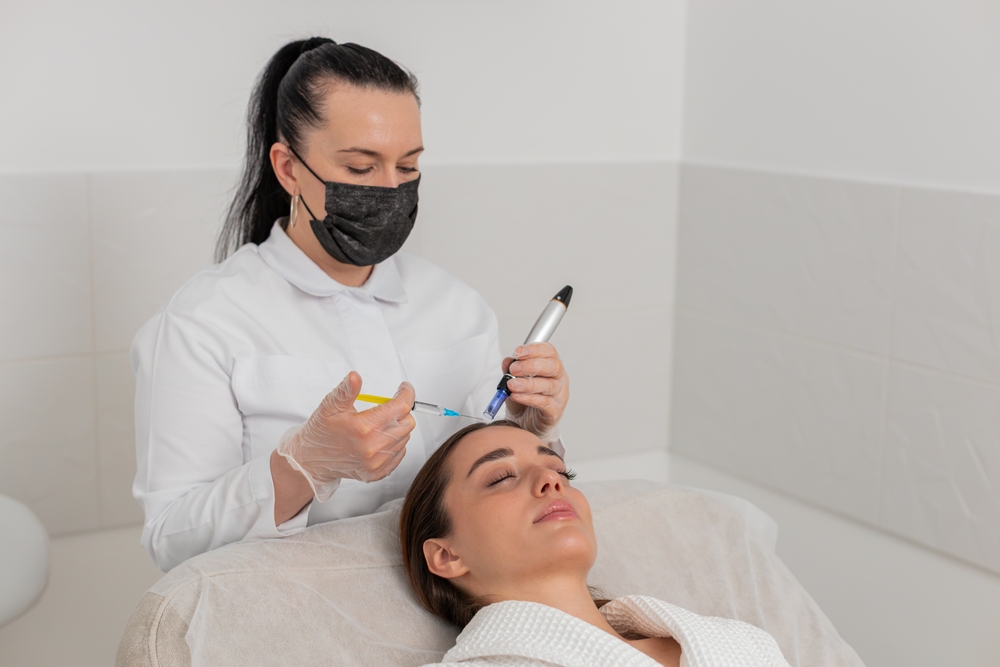
Understanding Exosomes
Exosomes are tiny, naturally occurring vesicles released by cells throughout the body. They carry proteins, lipids, and genetic material that help cells communicate with one another. In the context of periodontal treatment, exosomes function as biological messengers that signal damaged tissue to begin the repair process. Rather than introducing foreign substances, exosome therapy works by amplifying your body’s natural healing signals in precise, targeted ways.
In dentistry, exosome therapy supports gum tissue regeneration, reduces inflammation, and improves recovery outcomes following periodontal procedures. The therapy is particularly relevant for patients dealing with gum recession, bone loss around teeth, or a slow recovery after deep cleaning treatments like scaling and root planing. The structures surrounding your teeth are closely linked to your overall oral stability, so more complete healing in these areas can have a lasting impact on your dental health long-term.
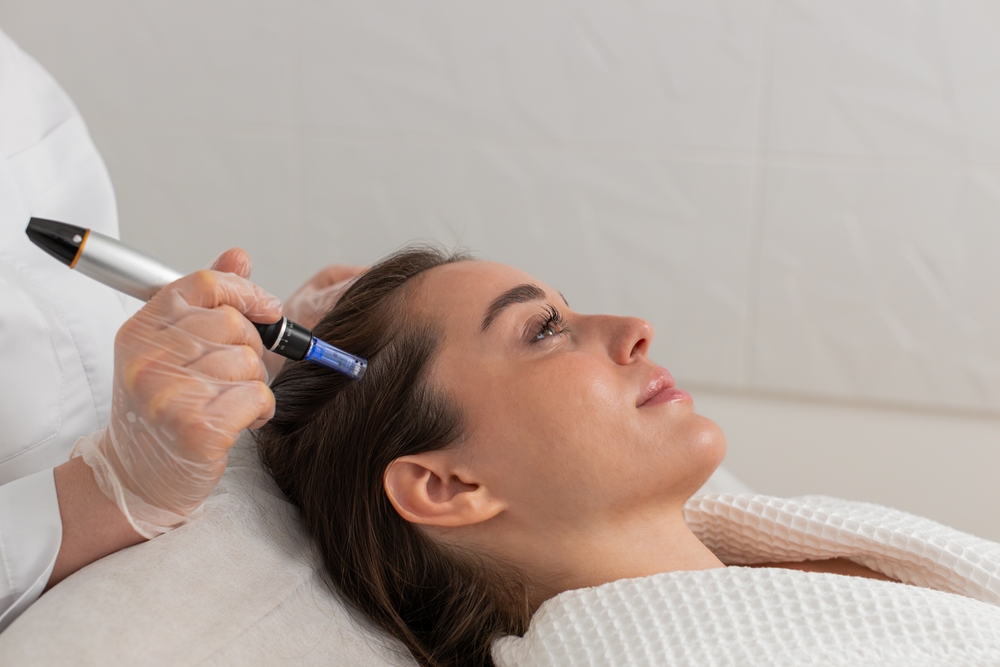
How Exosomes Support Healthier Gums and Bone
Accelerated Tissue Repair
After periodontal treatment, the body must rebuild damaged gum and connective tissue. Exosomes deliver concentrated cellular signals that can speed this process significantly. Patients undergoing gum grafting or deep cleaning procedures often experience faster tissue integration and less post-procedure discomfort once exosome therapy is incorporated into their care.
Reduced Gum Inflammation
Chronic gum disease is driven largely by inflammation that damages the soft tissue and bone supporting your teeth. Exosomes carry anti-inflammatory molecules that help calm this response at the cellular level. By reducing the inflammatory environment around your gums, exosome therapy creates better conditions for healing and helps prevent further breakdown of the surrounding structures.
Improved Bone Support Around Teeth
One of the most serious consequences of advanced periodontal disease is the loss of alveolar bone, the bone that holds your teeth in place. Exosomes have shown promise in supporting bone-forming cell activity, potentially helping to preserve or partially restore bone density in affected areas. This makes them a valuable addition to comprehensive periodontal care plans.
Minimally Invasive, Effective Treatment
Exosome therapy is applied with minimal disruption to surrounding tissue, making it a well-tolerated adjunct to other periodontal treatments. It can be administered during or following procedures without significantly extending treatment time. For patients who prefer less invasive options, this therapy aligns well with a more conservative treatment philosophy.
Support for Long-Term Gum Health
Exosomes don’t just address immediate damage. They help create a healthier tissue environment over time. By encouraging better cellular communication and sustained regenerative activity, this therapy reduces the need for more aggressive intervention down the road. It’s an investment in the stability of your oral health for years to come.
What to Expect From Our Exosome-Enhanced Periodontal Care
A Full Periodontal Evaluation With Our In-House Specialist
Dr. Taylor conducts your initial evaluation with the depth of a periodontist and the context of a provider who understands your complete oral health picture. She measures gum pocket depths, checks for bone loss patterns, and looks at how inflammation has affected the tissue surrounding each tooth. That level of detail determines if exosome therapy belongs in your treatment and exactly where it needs to be applied.
Matching Exosome Therapy to Your Level of Gum Disease
Exosome therapy works best layered onto the right periodontal procedure for your specific stage of disease. A patient with early gum recession has very different needs than one dealing with significant bone loss or post-surgical recovery. We identify which combination of treatments will give the exosomes the best environment to work effectively, whether that involves deep cleaning, soft tissue grafting, or a more involved surgical approach.
Targeted Delivery During Your Periodontal Procedure
Dr. Moua and Dr. Taylor work together to deliver gum disease treatment and exosome therapy with precision and care. The exosomes are applied directly to the affected site during or immediately following your procedure, and cellular signaling begins without delay. The process integrates smoothly with each step of your treatment, keeping your time in the chair manageable.
Home Care That Protects Your Healing Tissue
Before you leave, we’ll walk you through specific instructions to protect the treated area and get the most from your exosome therapy. This typically includes guidance on diet, oral hygiene adjustments, and activity restrictions for the days immediately following your procedure. How well you care for the area at home plays a significant role in the quality of your recovery.
Measuring Bone and Gum Recovery at Your Follow-Up
Dr. Taylor schedules follow-up visits to assess how your gum tissue and bone are responding as healing progresses. These appointments allow us to identify any concerns early, document changes in the treated areas, and refine your ongoing maintenance schedule as needed. Staying consistent with periodontal check-ins is one of the most effective ways to protect the results of your treatment over time.
Why Choose Our Approach to Regenerative Treatment
Our practice takes an integrated approach to periodontal care built on advanced training and a treatment philosophy grounded in science. Dr. Michele Taylor is a Kois Center Graduate with Fellowship credentials from both the International Academy of Dental Implantology and the Misch Institute, reflecting her commitment to surgical precision and outcomes-driven dentistry. She serves as our in-house periodontist, so you receive specialist-level gum disease care without needing a separate referral.
Dr. Downing Moua, DMD leads our practice using the Kois Dentistry methodology, which treats oral health as a comprehensive system rather than a collection of isolated problems. Our team brings that same mindset to every periodontal case, combining transparency, patient education, and a long-term focus at every stage of care. Patients who choose exosome therapy with us receive treatment that is grounded in current research, delivered by experienced providers, and built around what’s best for their oral health.
FAQs
What are exosomes?
Exosomes are small, membrane-bound vesicles naturally produced by cells in your body that act as communication vehicles, carrying proteins, lipids, and RNA between cells. In periodontics, exosome therapy is used alongside procedures like scaling and root planing or gum grafting to support faster, more complete healing. The process involves applying concentrated exosomes directly to an area of tissue damage, encouraging your own cells to repair and regenerate more effectively than they would on their own.
What's the difference between exosomes and stem cells?
Stem cells are living cells that can develop into specialized tissue, while exosomes are the molecular messengers those cells use to communicate. In dentistry, stem cell applications aim to generate new tissue, whereas exosome therapy activates the cells already present in your gum and bone to repair damage more effectively. The outcome may be similar, but the biological pathway is distinct.
Do exosomes really work?
Research into exosome therapy continues to grow, and current findings are promising. Studies in both clinical and preclinical settings have demonstrated meaningful reductions in inflammation and improved tissue outcomes in periodontal applications. Individual results depend on the severity of disease, the procedures performed, and how closely post-treatment instructions are followed.
Are exosomes safe?
Exosome therapy is considered safe when administered by qualified providers using properly sourced formulations. Because the therapy works in alignment with the body’s existing biological processes, it carries a lower risk profile than many conventional interventions. Our dentist conducts a thorough review of your health history before recommending it as part of your periodontal care.
How much does exosome therapy cost?
The cost of exosome therapy varies depending on the extent of your gum disease, the periodontal procedures being performed alongside it, and how many areas of the mouth require treatment. During your consultation, our team will assess your needs and provide a clear breakdown of before any treatment begins. We accept most insurance plans as well as flexible financing options to help make your care as accessible as possible.
Support Healing with Exosomes Therapy Today
Exosomes therapy offers a scientifically supported way to address periodontal disease at the cellular level, giving damaged gum and bone tissue a better chance to heal thoroughly. Dr. Downing Moua, DMD and Dr. Michele Taylor are ready to evaluate your gum health, determine if this therapy belongs in your treatment plan, and bring specialist-level precision to every case.
Get directions to our Kirkland location on Google Maps, read verified patient reviews on Google, Yelp, and Healthgrades. Get an inside look at our approach to regenerative care on Facebook and Instagram. Connect with our team at 425-823-1600 and discover how exosomes are advancing the way we treat gum disease.
Contact Us