

Yes, baking soda can help with periodontal disease. However, it works best as part of complete periodontal care under professional guidance, not as a standalone cure for advanced gum disease that might require regenerative procedures or gum grafts.
Studies in the PMC Database indicate that sodium bicarbonate can reduce harmful bacteria and neutralize plaque-forming acids when used properly. When gum inflammation strikes and bleeding becomes a daily concern, many people wonder if simple household remedies can provide relief.
Questions about natural approaches to periodontal disease treatment come up frequently in dental consultations, especially from patients concerned about progressing to more invasive treatments like periodontal surgery or even dental implants. Understanding both the promising benefits and important limitations helps patients make informed decisions about adding this natural approach to their oral health routine before considering more advanced interventions.
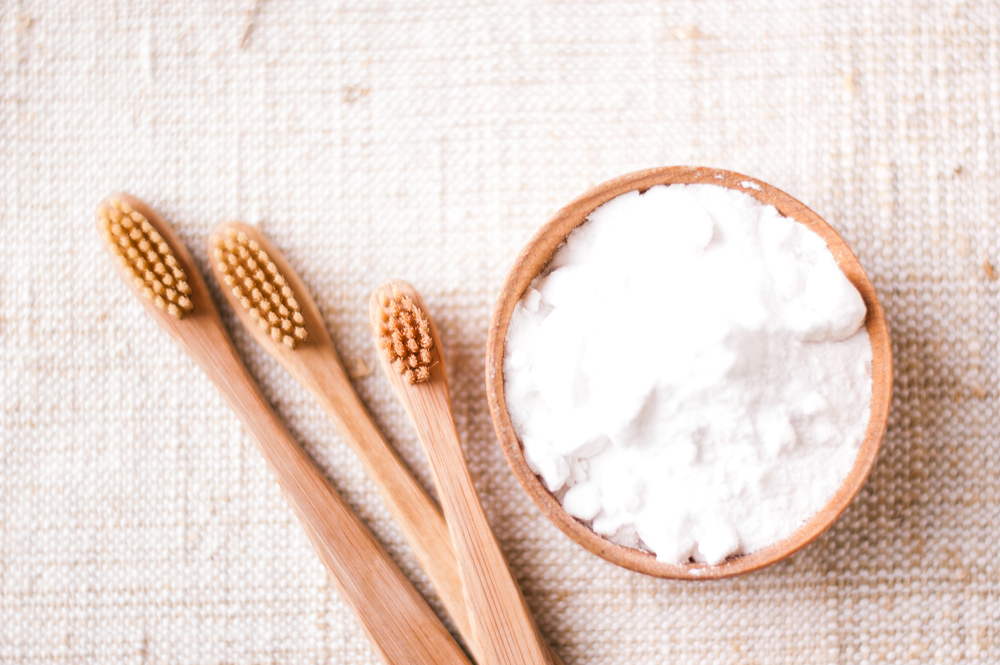
5 Evidence-Based Insights About Baking Soda for Healthier Gums
Clinical evidence confirms antibacterial properties: Sodium bicarbonate can effectively reduce disease-causing bacterial growth in the oral cavity, potentially slowing progression that could lead to alveolar bone loss.
pH neutralization disrupts plaque formation: The alkaline environment created by baking soda prevents acid-producing bacteria from thriving along the periodontal ligament and root surfaces.
Proper application maximizes safety: Limiting use to 2-3 times weekly prevents enamel damage while maintaining therapeutic effectiveness for oral inflammation treatment.
Professional treatment integration enhances outcomes: Combining home care with periodontal services provides better disease management and may help preserve systemic health connections.
Individual results vary significantly: Oral microbiome differences and disease severity affect how well sodium bicarbonate works for each patient, with some still requiring root surface debridement or other interventions.
What Science Actually Says About Baking Soda and Your Gums
The relationship between baking soda and periodontal disease involves several mechanisms that research has documented. According to PubMed research, modern dental medicine has studied sodium bicarbonate’s effects on bacterial populations, plaque accumulation, and overall gingival health. This inflammatory disease responds to various treatment approaches, with baking soda serving as one accessible option.
The Proven Benefits That Actually Work
Research suggests that baking soda supports oral health when added to regular dental care routines, potentially helping patients avoid more complex treatments.
Kills harmful bacteria: Studies show bacterial reduction rates when baking soda formulations are used over extended periods. The compound targets specific pathogenic bacteria associated with periodontal disease, including those responsible for plaque-induced gingivitis that can progress to require periodontal surgery.
Neutralizes acid attacks: When dissolved in warm water, sodium bicarbonate raises oral pH from acidic levels to more neutral conditions. This pH shift helps prevent the acidic environment that promotes dental biofilm formation and bacterial adhesion to root surfaces.
Disrupts bacterial homes: The alkaline nature creates conditions less favorable to acid-producing bacteria. According to the ADA, periodontal treatment aims to eliminate harmful plaque biofilm and establish healthy environments. Many pathogens require specific pH ranges for attachment, making sodium bicarbonate potentially effective at preventing colonization.
The Risks Nobody Talks About
While generally safe when used appropriately, baking soda carries potential drawbacks that require careful consideration before adding it to your oral hygiene routine, especially for patients already planning dental crown work or cosmetic periodontal procedures.
Excessive use can lead to enamel damage due to the compound’s abrasive nature. The relative dentin abrasivity (RDA) of pure baking soda may exceed recommended levels for daily use, potentially causing microscopic enamel damage that actually increases bacterial retention over time and could complicate future dental implant procedures.
Some individuals experience tissue sensitivity or develop mouth ulcers when using baking soda formulations, particularly those with existing oral health conditions or recent periodontal plastic surgery. The disruption of natural oral microbiome balance represents another concern, as sodium bicarbonate may affect beneficial bacterial populations alongside harmful ones.
Who should (and shouldn’t) try baking soda for gum disease?
Not everyone benefits equally from sodium bicarbonate applications. Understanding which patients respond best helps set realistic expectations, particularly for those considering treating periodontal disease through various approaches.
Best Candidates for Baking Soda Treatment
Several patient groups show promising results when adding baking soda to their dental care routines under professional supervision.
Early-stage gum disease sufferers: Patients with plaque-induced gingivitis or mild bacterial overgrowth may show improvements within several weeks of consistent use, potentially avoiding progression that could require bone graft procedures.
Adults with stable oral health: Those between ages 25-55 often demonstrate consistent responses, likely due to stable oral health patterns and better compliance with recommended protocols for oral inflammation treatment.
Patients with compromised immunity: Individuals with diabetes, cardiovascular disease, or immune system challenges may experience enhanced benefits from sodium bicarbonate’s antimicrobial properties, supporting the connection between periodontal health and systemic health.
People experiencing plaque-related bleeding: Those noticing bleeding during tooth brushing may find relief through baking soda’s bacterial control mechanisms, potentially preventing conditions that could require gum grafts later.
When Baking Soda Won’t Be Enough
Advanced periodontal disease characterized by deep pocket formation and significant alveolar bone loss requires intervention beyond home remedies. A periodontist specializing in treating periodontal disease becomes essential when bacterial infections have progressed to involve tissue and bone structures that might need regenerative procedures.
According to MouthHealthy, signs requiring professional periodontal evaluation include persistent bad breath despite good oral hygiene, loose teeth that might need dental crowns for stabilization, receding gums exposing tooth roots, and pus between teeth and gums. In severe cases, patients may ultimately need dental implants if teeth cannot be saved.
The 5-Minute Daily Routine That Actually Works
Proper technique and timing maximize therapeutic benefits while minimizing risks associated with sodium bicarbonate use for gum health, especially important for patients planning future cosmetic periodontal procedures.
The Recommended Application Method
Dental hygienists recommend specific protocols that balance effectiveness with safety for long-term oral health maintenance.
- Mix it right: Combine one teaspoon of baking soda with enough warm water to create a paste-like consistency that spreads easily. This concentration provides bacterial control without excessive abrasiveness that could harm tooth enamel or irritate sensitive gum tissue, particularly important for those with gingival recession.
- Timing matters: Apply before bedtime for maximum overnight contact when saliva production decreases during sleep. This extended exposure may enhance antimicrobial effects and allow sodium bicarbonate to neutralize bacterial acids throughout the night when natural oral defenses are reduced along the periodontal ligament.
- Gentle application: Use circular motions for no more than two minutes maximum, focusing particularly on the gum line where bacterial accumulation typically occurs. Excessive pressure or prolonged brushing increases the risk of enamel wear and gum irritation that could complicate future dental implant procedures.
- Rinse thoroughly: Use plain warm water to remove residual particles while preserving the alkaline environment that may inhibit bacterial growth. Proper rinsing provides safety without compromising therapeutic effects for oral inflammation treatment.
- Frequency: Limit applications to 2-3 times per week, alternating with fluoride toothpaste to maintain complete dental care. This schedule allows sufficient time for enamel remineralization between applications while providing consistent bacterial control that supports systemic health.
What Happens Week by Week
Understanding the timeline for results helps maintain realistic expectations and encourages consistent compliance with recommended protocols for treating periodontal disease.
Weeks 1-2: Bacterial reduction may begin within days of initial application, with some patients noticing less bleeding during tooth brushing and improved breath quality, suggesting reduced oral inflammation.
Weeks 3-4: Visible improvements in gingival health may become apparent, including reduced gum sensitivity, decreased inflammation, and more comfortable oral hygiene routines that support periodontal ligament health.
Weeks 6-8: Maximum benefits in pocket depth reduction and overall periodontal health often appear at this stage. Most patients experience plateauing effects, suggesting the need for ongoing maintenance rather than intensified treatment to preserve alveolar bone health.
Why Your Dentist Might Recommend Something Else Instead
While baking soda offers proven benefits, alternative approaches may provide superior outcomes for certain patients depending on individual oral health conditions and treatment goals, including preparation for dental crowns or dental implants.
Alternative Treatments That Work Faster
Several options deliver comparable or better results with different mechanisms of action that some patients tolerate better.
Essential oil mouth rinses: Lemongrass oil and other antimicrobial essential oils provide bacterial control without abrasive properties. These alternatives offer pleasant taste profiles that encourage consistent use while delivering antimicrobial benefits through different pathways for oral inflammation treatment.
Hydrogen peroxide rinses: Professional-strength formulations eliminate concerns about improper mixing or excessive abrasiveness while maintaining effective bacterial reduction. Clinical studies demonstrate comparable antimicrobial effects without the enamel wear concerns associated with sodium bicarbonate, important for patients planning cosmetic periodontal procedures.
Commercial peroxide/baking soda dentifrice: Professionally developed products undergo extensive safety testing and offer standardized formulations with controlled abrasivity levels. Quality-approved products provide assurance for evidence-based treatments that support both periodontal and systemic health.
When Professional Treatment Can’t Wait
Delaying necessary periodontal intervention while experimenting with home remedies can allow disease progression that ultimately requires more extensive procedures like periodontal surgery or regenerative procedures.
Root canal therapy or advanced periodontal treatments become necessary when bacterial infections have compromised tooth structures or supporting alveolar bone. A periodontist can assess disease severity and determine whether home care approaches remain appropriate or if immediate professional intervention like root surface debridement is required.
Professional dental cleaning combined with targeted antimicrobial therapy addresses bacterial populations and calcified deposits below the gum line that home care methods cannot reach effectively. In advanced cases, treatments may progress to include bone graft procedures, sinus augmentation, or even dental implant placement if teeth cannot be saved.
The Truth About Long-Term Baking Soda Use
Extended use of sodium bicarbonate raises questions about sustained effectiveness and potential complications that short-term clinical trials may not reveal, particularly relevant for patients managing this inflammatory disease long-term.
What Studies Don’t Tell You
Most research examining baking soda’s effectiveness for treating periodontal disease involves relatively short duration periods, limiting conclusions about long-term outcomes.
Bacterial populations may adapt to alkaline conditions over time, potentially diminishing sodium bicarbonate’s antimicrobial effectiveness. This adaptation raises questions about whether initial improvements persist over years of continued use or if benefits plateau and eventually decline, potentially requiring progression to periodontal surgery or other interventions.
Clinical investigations typically follow patients for six months or less, leaving long-term safety data limited for thorough assessment, especially regarding effects on periodontal ligament health and systemic health connections.
The Enamel Erosion Question
The abrasive properties of baking soda warrant careful attention for patients concerned about preserving tooth enamel integrity over decades of use, particularly those planning future dental crowns or cosmetic periodontal procedures.
Pure sodium bicarbonate’s RDA values may exceed recommendations for daily application, raising legitimate concerns about microscopic enamel damage accumulating over time. This gradual wear potentially increases surface roughness that actually promotes bacterial retention and could complicate future dental implant procedures.
Alternating baking soda applications with remineralizing fluoride toothpaste helps protect enamel while maintaining antimicrobial benefits. This balanced approach addresses both bacterial control and enamel preservation for complete oral health maintenance, supporting both periodontal and systemic health.
How Dentists Combine Home Care with Professional Treatment
While baking soda provides valuable antimicrobial support, it works most effectively when combined with professional treatments like scaling, root planing, and targeted therapy for more serious cases. A periodontist can develop personalized treatment plans, monitor progress, and determine if advanced procedures are needed.
Professional services target bacterial deposits that home care cannot reach, providing superior results for both oral and systemic health. If you’re in the Kirkland, WA area, schedule an appointment with Juanita Bay Dentist and determine whether home care, professional periodontal therapy, or both are right for you!
FAQs
How long does it take for baking soda to help gum disease?
Most patients notice initial improvements like reduced bleeding within the first few weeks of consistent use. Visible changes in gingival health typically appear after several weeks, with maximum benefits occurring around six to eight weeks. However, results vary based on disease severity and individual oral microbiome composition. A periodontist can monitor your progress and determine whether baking soda provides adequate improvement or if professional treatment like root surface debridement becomes necessary to prevent progression requiring periodontal surgery.
Can I use baking soda every day for gum disease?
Daily use is not recommended due to enamel erosion concerns that could complicate future dental crown work or dental implant procedures. Dental medicine experts suggest limiting applications to 2-3 times weekly, alternating with fluoride toothpaste for complete dental care. This frequency provides bacterial control while allowing time for natural remineralization processes. Exceeding recommended frequency may cause more harm than benefit through excessive enamel wear, particularly problematic for patients with gingival recession.
Is baking soda better than mouthwash for gum disease?
Baking soda and antimicrobial mouthwash work through different mechanisms, making them complementary rather than competing approaches for oral inflammation treatment. Sodium bicarbonate neutralizes acids and disrupts bacterial adhesion through pH modification, while therapeutic mouth rinses deliver targeted antimicrobial agents. Many patients benefit from using both as part of complete oral hygiene routines under professional guidance, supporting both periodontal and systemic health. A dental hygienist can recommend the most appropriate combination for your specific situation.
How much does periodontal treatment cost without insurance?
Professional periodontal treatment costs vary widely based on disease severity and required procedures. Basic cleaning and consultation typically range from $200-400, while scaling and root planing for advanced gum disease may cost $1,000-3,000 depending on the extent of treatment needed. Advanced procedures like periodontal surgery, bone graft procedures, or gum grafts can range from $3,000-8,000 or more. Dental implant procedures and related treatments like sinus augmentation add additional costs. Many dental practices offer payment plans to make necessary care accessible. Investing in early treatment with approaches like supervised baking soda use can help prevent more expensive interventions later, including regenerative procedures or cosmetic periodontal procedures.
Can baking soda cure periodontal disease?
Baking soda cannot cure established periodontal disease but can help manage mild to moderate gum inflammation when used appropriately. Advanced periodontitis requires professional treatment including deep cleaning, antimicrobial therapy, and potentially surgical intervention like periodontal plastic surgery or regenerative procedures. This inflammatory disease affects not just oral health but systemic health as well, making professional care essential. Sodium bicarbonate works best as a complementary approach alongside complete periodontal care delivered by a qualified periodontist rather than as a standalone cure, helping preserve alveolar bone and periodontal ligament health when used properly.