

Mouthwash isn’t inherently bad, but daily use may do more harm than good for most people. Recent research has uncovered surprising connections between antibacterial mouthwash and systemic health issues, including elevated blood pressure and disrupted cardiovascular function.
The morning ritual of swishing mouthwash after brushing seems harmless enough. Yet emerging studies suggest this routine habit could be eliminating beneficial bacteria your body needs for critical functions beyond oral hygiene.
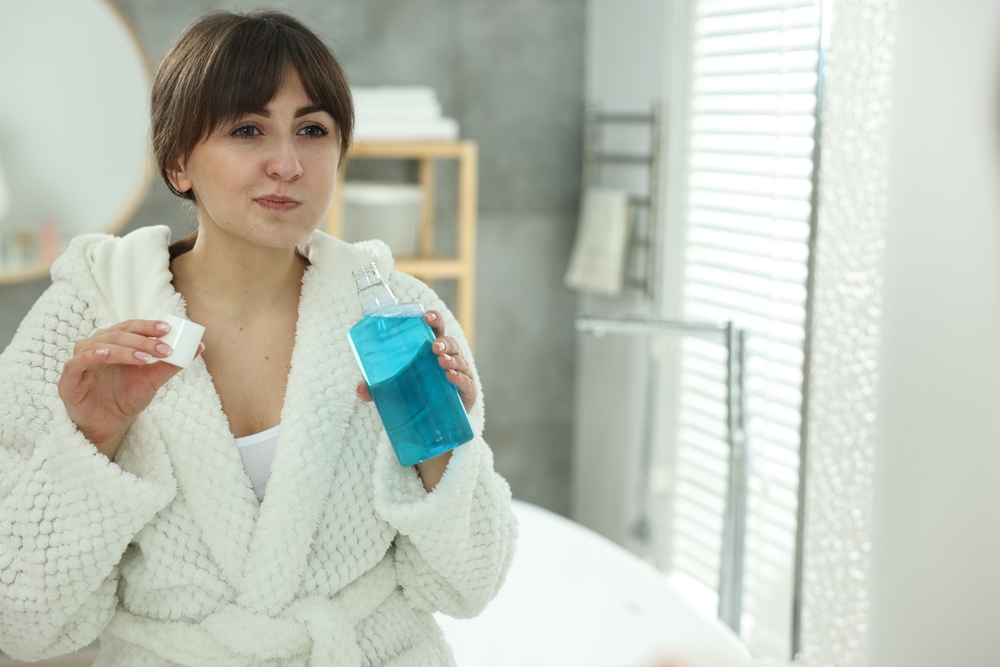
Do you really need mouthwash? 5 Research-Backed Answers
- Antibacterial mouthwash kills beneficial bacteria responsible for producing nitric oxide, which supports healthy blood pressure
- Most people with good brushing and dental floss habits don’t need daily mouthwash use
- Alcohol-based formulations can cause dry mouth, increasing dental caries risk rather than preventing it
- Natural alternatives like oil pulling with essential oils and salt water rinses offer antimicrobial benefits without disrupting your oral microbiome
- Therapeutic mouth rinses can be valuable for specific dental concerns like active gum disease, but should be used under professional guidance
Your Mouthwash Might Be Killing More Than Just Bad Breath
The oral cavity contains hundreds of bacterial species, and not all of them are harmful. Some of these microorganisms play essential roles in maintaining both oral and systemic health, supporting healthy gums and proper function.
When you use antiseptic mouthwashes twice daily, you’re eliminating beneficial bacteria alongside the bad breath germs.
The Hidden Impact on Your Body
These beneficial bacteria convert dietary nitrates from foods into nitric oxide, a compound crucial for cardiovascular system function. According to research by PMC, people who use antibacterial mouthwash products twice daily have significantly reduced levels of nitrate-reducing bacteria compared to those who use it less frequently.
This disruption affects more than just your mouth. Nitric oxide helps blood vessels relax and maintain healthy blood pressure. When antibacterial agents eliminate the bacteria that produce it, your body’s natural ability to regulate cardiovascular health becomes compromised.
The systemic effects extend to diabetes risk and metabolic function as well.
What’s really in your bottle?
Understanding mouthwash ingredients helps explain why daily use raises concerns:
- Alcohol (18-26%): Causes chronic dry mouth and tissue irritation, ironically increasing dental caries risk
- Artificial colors (Green 3, Yellow 5, Blue 1): Serve no therapeutic purpose and may trigger allergic reactions
- Sodium lauryl sulfate: A foaming agent linked to recurring canker sores in sensitive individuals
- Cetylpyridinium chloride: Effective antimicrobial but can cause tooth staining with prolonged use, affecting dental enamel appearance
- Preservatives: Add unnecessary chemical exposure without oral health benefits
The FDA regulates these products as over-the-counter drugs, but oversight focuses on immediate safety rather than long-term systemic effects.
Who Actually Needs Mouthwash? (Spoiler: Probably Not You)
The marketing message that mouthwash completes your oral hygiene routine doesn’t hold up under scrutiny. According to OSU research, mouthwash is used for prevention of oral health issues and will not treat existing problems, most people don’t need this extra preventive step beyond proper dental floss use and brushing.
The American Dental Association emphasizes that mechanical plaque removal through brushing and flossing remains the gold standard for oral hygiene.
People Who Should Consider Mouthwash
Certain situations warrant therapeutic oral rinse use:
- Active gum disease patients: Prescription-strength antimicrobial rinses help control bacterial populations causing tissue destruction and bleeding gums
- Recent dental surgery recovery: Reduces infection risk and supports healing after extractions or periodontal procedures
- High dental caries risk individuals: Sodium fluoride rinses provide additional protection beyond toothpaste alone
- Dry mouth from medications: Antimicrobial protection compensates for reduced saliva flow in the oral cavity
- Orthodontic appliances: Helps clean around brackets, wires, or aligners that trap food particles and bacteria
- Dental implants or complex dental work: Reaches areas around restorations that mechanical cleaning may miss
- Compromised immune systems: Provides necessary bacterial control when natural defenses are weakened
These applications require professional guidance on appropriate mouthwash products and duration of use.
People Who Can Skip It
If you maintain good dental hygiene through regular brushing with fluoride toothpaste and daily dental floss use, you probably don’t need mouthwash. The “complete oral care” narrative is marketing fiction designed to sell more products.
What actually matters most is removing dental plaque before it hardens into tartar. No rinse can replace the mechanical action of brushing and flossing that physically removes bacteria and food debris from the oral cavity.
Regular professional teeth cleaning every six months addresses what home care misses. This combination provides sufficient protection for healthy gums.
The Mouthwash Showdown: Chemical vs. Natural (Which Actually Works?)
The debate between commercial and natural oral care approaches centers on effectiveness versus potential risks. Both sides present compelling arguments worth examining.
Understanding the trade-offs helps you make informed decisions aligned with your specific needs.
Commercial Mouthwash: The Pros
Regulated mouthwash products offer several advantages:
- FDA-regulated and clinically tested: Manufacturers must demonstrate safety and effectiveness for specific claims
- Reaches areas brushing misses: Liquid flows into crevices and pockets between teeth and along gum lines
- Convenient and quick: Takes just 30 seconds compared to oil pulling’s 10-20 minute commitment
- Proven dental caries protection: Sodium fluoride or stannous fluoride versions provide documented benefits for remineralizing dental enamel
- Helps with periodontal disease: Clinical trials show reduced bleeding gums and inflammation in gum disease patients
- Consistent results: Quality control delivers standardized active ingredient concentrations
These benefits explain why dental professionals recommend specific formulations for certain conditions.
Commercial Mouthwash: The Cons
The disadvantages deserve equal consideration:
- Kills good bacteria your body needs: Eliminates beneficial microorganisms that support nitric oxide production and cardiovascular health
- May increase blood pressure risk: Disrupting nitrate-reducing bacteria affects the body’s natural blood pressure regulation
- Alcohol causes dry mouth: Creates the ironic problem of increasing dental caries risk while trying to prevent it
- Possible oral cancer link: Long-term use of alcohol-containing formulations shows concerning associations in some studies
- Triggers canker sores in some people: Sodium lauryl sulfate causes painful mouth sores in sensitive individuals
- Expensive habit: Spending $5-10 monthly on mouthwash products adds up when the benefits may not justify the cost
These concerns have prompted research into safer alternatives.
Natural Alternatives Worth Trying
Several evidence-based natural approaches deserve attention:
Oil pulling with coconut oil: Swish one tablespoon of coconut oil (rich in natural essential oils) in your mouth for 10-20 minutes. Research shows this Ayurvedic practice reduces plaque buildup and bad breath germs while preserving beneficial microorganisms.
Salt water rinses: Mix half a teaspoon of sea salt in warm water and swish for 30 seconds. This provides gentle antimicrobial effects and promotes healing without disrupting your oral cavity’s microbiome balance.
Hydrogen peroxide rinses: Diluted hydrogen peroxide solutions can provide antimicrobial benefits without the harsh chemicals found in commercial antiseptic mouthwashes, though professional guidance is recommended.
Water flossers: These devices use pressurized water to remove food particles and bacteria from between teeth. They provide mechanical cleaning benefits without any chemical intervention or microbiome disruption, supporting healthy gums.
Xylitol products: This natural sugar alcohol feeds beneficial bacteria while starving harmful ones that cause dental caries. It’s available in gums, mints, and rinses.
Simply drinking more water: Adequate hydration supports saliva production, which contains natural enzymes and antibodies that control bad breath germs. Aim for eight glasses daily to maintain good saliva flow in the oral cavity.
When Mouthwash Use Becomes a Problem (Warning Signs You’re Overdoing It)
Recognizing problematic patterns helps you adjust your oral care routine before complications develop. Your body often signals when something isn’t working.
Pay attention to these indicators that suggest you should reassess your mouthwash use.
Red Flags to Watch For
- Constant dry mouth despite hydration: Alcohol-based formulations disrupt normal saliva production, leaving you perpetually thirsty and increasing dental caries risk.
- Increased cavities despite good hygiene: If you’re brushing, using dental floss, and using mouthwash regularly but still developing decay, the rinse may be part of the problem.
- Recurring canker sores: Frequent painful mouth sores often indicate sensitivity to sodium lauryl sulfate or other antibacterial ingredients in your mouth rinses.
- Tooth staining or discoloration: Cetylpyridinium chloride and other antibacterial agents can cause brown or yellowish stains on dental enamel that require professional cleaning to remove.
- Bleeding gums getting worse: If gum inflammation persists despite antiseptic mouthwash use, you may be disrupting beneficial bacteria needed for healthy gums.
- Dependence on it for confidence: Feeling you can’t face social situations without mouthwash may indicate you’re masking underlying oral health issues rather than addressing them.
These warning signs warrant discussion with your dental care provider.
How to Use It Safely (If You Must)
Follow these guidelines to minimize risks:
- Wait 30 minutes after brushing: Using mouth rinses immediately after brushing washes away protective sodium fluoride or stannous fluoride before it can strengthen your dental enamel.
- Use alcohol-free formulations: These avoid the dry mouth complications that alcohol-based versions create while still providing antimicrobial benefits.
- Limit to once daily maximum: Twice-daily use doubles your exposure to potential risks without proportionally increasing benefits for most people.
- Don’t use longer than 30 seconds: Extended swishing increases chemical exposure without improving effectiveness beyond the recommended duration.
- Take “off” weeks periodically: Give your oral cavity’s microbiome time to recover by taking breaks from antibacterial agents, especially if you’re using them for general freshness rather than specific therapeutic purposes.
Take Control of Your Oral Health Now!
The question “Is mouthwash bad for you?” doesn’t have a universal yes or no answer. For most people practicing good oral hygiene, daily use of antiseptic mouthwashes is unnecessary and potentially counterproductive for maintaining healthy gums.
Concerned about your oral health routine? If you’re in the Kirkland, WA area, schedule a consultation with Juanita Bay Dentist to discuss dental care that supports your overall health and addresses your specific needs!
FAQs
Is it OK to use mouthwash every day?
For most people with healthy mouths, daily mouthwash use is unnecessary and may disrupt beneficial bacteria that support cardiovascular function and blood pressure regulation. If you practice good brushing and dental floss habits, you likely don’t need this additional step. However, individuals with specific conditions like active gum disease, recent dental surgery, or high dental caries risk may benefit from daily therapeutic mouth rinses containing sodium fluoride under professional guidance. The key is matching usage to actual needs rather than following generic marketing recommendations.
What mouthwash do dentists recommend?
Dentists typically recommend alcohol-free formulations containing sodium fluoride for dental caries prevention or chlorhexidine for short-term use during gum disease treatment. Stannous fluoride products are also effective for protecting dental enamel and reducing bleeding gums. Products with the American Dental Association Seal of Acceptance have demonstrated clinical effectiveness for specific claims. For general use without specific dental concerns, many dental professionals now suggest natural alternatives like salt water rinses or simply focusing on thorough mechanical cleaning through brushing and dental floss rather than routine antiseptic mouthwashes.
Should I use mouthwash before or after brushing?
Use mouth rinses at least 30 minutes after brushing with fluoride toothpaste to avoid washing away protective sodium fluoride or stannous fluoride before it can strengthen your dental enamel. If you prefer rinsing immediately after brushing, consider using it before brushing instead, though this timing is less common. Some dental professionals recommend using mouthwash products at different times entirely—such as after lunch or before bed if you’ve already brushed in the morning—to maximize fluoride exposure from toothpaste while still gaining any benefits from the oral rinse for healthy gums.
What happens if I stop using mouthwash?
Most people notice no negative effects when discontinuing antiseptic mouthwashes if they maintain proper brushing and dental floss habits. Your oral cavity’s microbiome will begin to rebalance, potentially improving your body’s natural ability to produce nitric oxide for cardiovascular health. You might initially feel less “fresh,” but this sensation is largely psychological and created by marketing around bad breath germs. If you have specific dental concerns that require therapeutic mouth rinses, consult your dentist before stopping to make sure you’re not compromising your treatment plan for bleeding gums or other conditions.
Can mouthwash damage teeth?
Yes, certain mouthwash ingredients can damage teeth over time. Alcohol-based formulations cause dry mouth, reducing saliva’s natural protective effects and increasing dental caries risk. Some antibacterial agents like cetylpyridinium chloride cause tooth staining that requires professional cleaning to remove from dental enamel. Using antiseptic mouthwashes immediately after brushing with sodium fluoride toothpaste can wash away protective fluoride before it strengthens enamel. For these reasons, many dental professionals now recommend limiting mouthwash products to specific therapeutic situations rather than routine daily use, especially for people with already healthy gums and good dental floss habits.